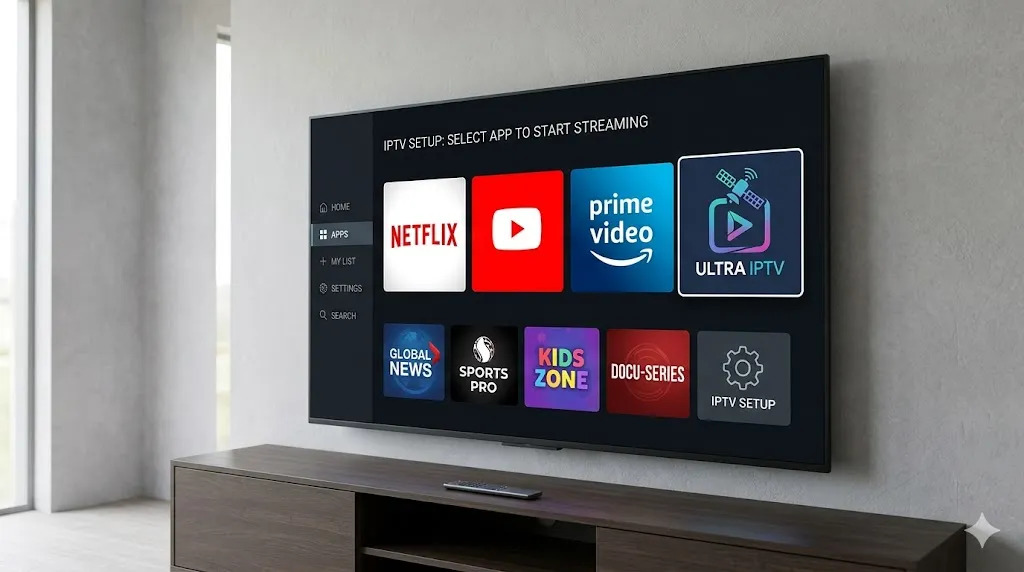
The way Australians watch television is changing. Viewers are no longer limited to traditional broadcast television, cable, or satellite services. Today, internet-based entertainment has become an important part of everyday life, and IPTV Australia is one of the technologies attracting attention.
IPTV stands for Internet Protocol Television. Instead of delivering television content through traditional broadcast methods, IPTV uses an internet connection to deliver television programming to compatible devices.
This approach can provide viewers with greater flexibility. Depending on the service, people may be able to watch live television, sports, news, entertainment, and international programming through smart TVs, streaming devices, smartphones, tablets, and computers.
But is IPTV really the future of television in Australia?
The answer is not completely simple. IPTV has many advantages, but its future will depend on factors such as internet infrastructure, content licensing, streaming quality, pricing, consumer demand, and the ability of providers to deliver reliable services.
An IPTV subscription Australia service can provide access to internet-based television content through a compatible device.
The popularity of subscriptions is closely connected to the changing expectations of modern viewers. People increasingly want entertainment that is convenient, flexible, and available across different devices.
However, viewers should not choose a subscription simply because it advertises a large number of channels.
A good subscription should provide reliable streaming, suitable content, compatible devices, clear pricing, customer support, and transparent terms. It should also have the necessary rights to distribute the content it provides.
As IPTV develops, these factors are likely to become even more important.
There are several reasons why IPTV is attracting interest.
The first is convenience. Internet-based television can bring television content to devices that people already use every day.
The second is flexibility. Viewers can potentially watch content in different locations and on different supported devices.
The third is the growing popularity of internet entertainment. Australians are already comfortable using online platforms for movies, television programs, music, sports, and other forms of digital content.
IPTV fits naturally into this environment because it combines television-style programming with internet delivery.
IPTV works by delivering video content through an internet network.
When a viewer selects a channel or program, the service sends the required data through the internet to a compatible application or device. The device then processes the stream and displays it on the screen.
A basic IPTV setup may include:
The actual setup can vary between providers.
For this reason, we should always check the technical requirements before purchasing an IPTV subscription.
Traditional television remains an important part of the Australian entertainment market. However, IPTV provides a different method of delivering content.
Traditional television may use terrestrial broadcasting, cable, or satellite technology. IPTV uses internet connectivity.
This difference gives internet television some useful advantages, especially for viewers who already have a reliable broadband connection.
However, IPTV is not automatically better for everyone. Traditional television can still be useful for viewers who prefer established services and simple setups.
The future may therefore involve a combination of different technologies rather than one system completely replacing everything else.
One of the biggest factors that will determine the future of IPTV Australia is streaming quality.
Viewers expect video to start quickly and continue without constant buffering. This is especially important when watching live sports or other real-time events.
Streaming quality depends on several factors:
A strong internet connection can help, but the IPTV provider also needs reliable infrastructure.
In the future, viewers are likely to become less tolerant of services that frequently freeze, disconnect, or reduce picture quality.
Smart TVs are likely to play an important role in the future of IPTV.
Many modern televisions already provide internet connectivity and support various entertainment applications. This makes it easier for consumers to access online content directly from their television.
As smart TV technology improves, IPTV services will need to make their applications simple and reliable.
Features such as easy navigation, search, electronic program guides, favorites, and personalized recommendations could become standard expectations.
Another reason IPTV could become more important is its ability to support different types of devices.
Viewers increasingly move between televisions, smartphones, tablets, laptops, and other connected devices.
A modern entertainment service therefore needs to work across multiple platforms where permitted by its subscription terms.
Before choosing an IPTV subscription Australia, viewers should check which devices are supported and whether multiple devices can be used under one account.
Live sports could be one of the most important areas for IPTV.
Sports fans want reliable access to live events, and internet streaming can provide a convenient way to watch supported broadcasts.
However, sports broadcasting rights are extremely important.
A provider advertising a particular sporting event does not automatically have the legal right to distribute it. Consumers should therefore choose services that clearly explain their content rights.
In the future, legitimate sports streaming could become an increasingly important part of internet television.
Television is becoming more personalized.
Traditional television generally presents viewers with a fixed list of channels. Online platforms can use information about viewing habits to recommend content.
IPTV services could increasingly use similar features.
For example, viewers might receive recommendations based on the channels and programs they frequently watch. A sports fan could see sports content first, while another viewer could receive news or entertainment recommendations.
Personalization could make large content libraries easier to use.
However, privacy will also become more important. IPTV providers should clearly explain how they collect, store, and use customer information.
Australia has a diverse population, and international programming is important to many viewers.
IPTV can potentially provide access to international television content where providers have appropriate distribution rights.
Viewers may be interested in programming from different countries and languages, including news, entertainment, documentaries, and sports.
This can make IPTV attractive to households that want more variety than traditional local television packages provide.
Electronic program guides, commonly known as EPGs, can improve the IPTV viewing experience.
An EPG allows viewers to see what is currently playing and what will be shown next.
Future IPTV services may make these guides even more useful by adding:
These features can make it easier to find content without scrolling through a long channel list.
It is unlikely that IPTV will immediately replace every traditional television service.
Instead, the future is more likely to involve different forms of television existing together.
Some viewers will continue using traditional broadcast services. Others will prefer streaming platforms or IPTV. Many households may use several services at the same time.
The key difference is that consumers now have more choices.
IPTV does not necessarily need to completely replace traditional television to become an important part of Australia's future television market.
As IPTV becomes more popular, consumers should pay close attention to whether services are legitimate.
A service should have appropriate authorization to distribute the television content it provides.
We should be careful with providers that make unrealistic promises, offer premium content without clear licensing information, or provide little information about their business.
Choosing a legitimate service can provide greater confidence and reduce the risk associated with unauthorized content.
Before choosing an IPTV service, we should consider several important factors.
Content: Does the service provide the programming we actually want?
Reliability: Does it offer stable streaming?
Device compatibility: Does it work with our television or preferred device?
Price: Is the subscription cost clear and reasonable?
Support: Can we contact the provider if something goes wrong?
Privacy: Does the service explain how customer information is handled?
Content rights: Is the provider authorized to distribute its programming?
These questions can help us make a more informed decision.
Over the next few years, IPTV could become more integrated into everyday home entertainment.
We may see continued improvements in streaming quality, smart TV applications, personalized recommendations, program guides, and multi-device viewing.
Providers will also face increasing pressure to offer reliable services at competitive prices.
At the same time, consumers will become more knowledgeable. Instead of choosing a service simply because it advertises thousands of channels, viewers may focus more on quality, reliability, usability, and legitimacy.
This could encourage the IPTV market to become more professional and consumer-focused.
So, is IPTV Australia the future of television in Australia?
It could certainly be an important part of that future.
The growing use of connected devices, internet entertainment, smart TVs, and flexible viewing options creates a strong environment for IPTV to continue developing.
However, IPTV does not have to completely replace traditional television. The future of Australian television is more likely to be a combination of different technologies and services.
For viewers considering an IPTV subscription Australia, the best approach is to focus on what really matters: reliable streaming, useful content, compatible devices, transparent pricing, good support, privacy, and legitimate content rights.
If IPTV providers continue improving these areas, internet-based television could become an increasingly important part of how Australians watch television in the years ahead.

This post has been authored and published by one of our premium contributors, who are experts in their fields. They bring high-quality, well-researched content that adds significant value to our platform.












Your trusted source for technology news, AI updates, business insights, startup stories, cybersecurity, gadgets, and digital innovation.