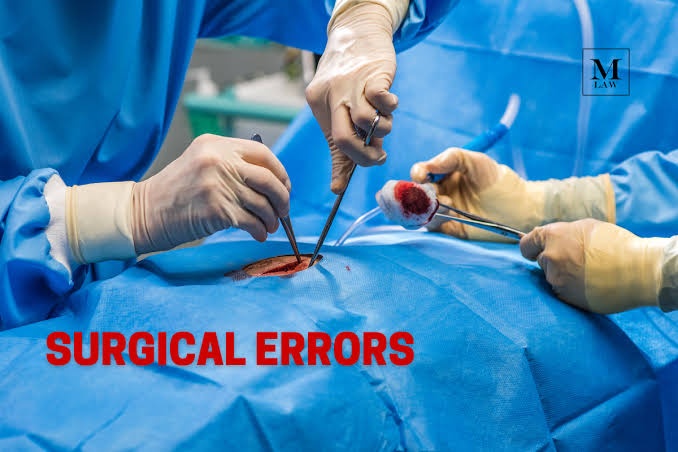
Surgery can provide essential treatment, improve mobility, relieve pain, and address serious medical conditions. Patients reasonably expect surgeons and healthcare teams to follow established safety procedures and provide competent care. However, preventable mistakes can sometimes cause additional injuries, prolonged recovery, or permanent disability.
If you are searching for surgery malpractice lawyers near me, you may be trying to understand whether an unexpected surgical outcome was simply a known medical risk or the result of negligent care. Medical malpractice cases are highly technical and generally require detailed medical records, expert analysis, and evidence connecting the alleged error to the patient's injury.
Surgical malpractice may occur when a healthcare professional fails to meet the applicable standard of care and the patient suffers harm as a result. Not every surgical complication qualifies as malpractice. Some complications can occur even when a procedure is performed appropriately.
Potential examples of preventable surgical mistakes include:
The circumstances surrounding each case must be carefully examined before determining whether negligence occurred.
An unexpected complication does not necessarily mean that a surgeon acted negligently. However, certain warning signs may justify further investigation.
Patients may consider obtaining legal guidance when they experience:
Medical malpractice claims generally require proof of a professional duty, a departure from the applicable standard of care, causation, and damages. Expert medical testimony can be particularly important because a qualified specialist may need to explain whether the treatment was consistent with accepted practices.
Medical records can provide a detailed timeline of what happened before, during, and after surgery. Electronic health records have also made it easier to document treatment decisions and communications.
Important evidence may include:
A thorough review can help establish what procedure was planned, what actually occurred, and whether the patient's condition changed because of the alleged mistake.
The consequences of a preventable surgical error can extend far beyond the original procedure. Patients may require corrective treatment and face additional medical expenses.
Possible injuries include:
Damage to nerves can cause numbness, weakness, chronic pain, or reduced mobility.
Inadvertent injury to nearby organs may require additional treatment or another operation.
Infections following surgery can sometimes require hospitalization, intravenous medication, or further procedures.
Some patients experience lasting limitations that affect employment, independence, and quality of life.
The severity of the injury is important when evaluating the medical and financial consequences of an alleged error.
Depending on applicable law and the circumstances of the case, compensation may address several categories of losses.
These may include additional surgeries, hospitalization, medication, rehabilitation, physical therapy, and future treatment.
A serious injury can prevent a patient from working temporarily or permanently. Documented lost wages and reduced earning capacity may become relevant.
Patients with permanent disabilities may require home assistance, adaptive equipment, or continuing medical services.
Depending on the jurisdiction, damages may also address physical pain, emotional distress, disability, and diminished quality of life.
Because malpractice laws differ by state, including filing deadlines and available damages, location-specific legal guidance is important.
When researching surgery malpractice lawyers near me, patients should look beyond general legal experience. Surgical malpractice requires an understanding of medical records, expert testimony, causation, and the specific malpractice laws applicable to the case.
Consider asking potential attorneys about:
A lawyer who regularly handles medical malpractice cases may be better prepared to address the medical and procedural complexities involved.
Patients should prioritize appropriate medical treatment after experiencing complications. They can also take practical steps to preserve information that may later become important.
Consider:
Early investigation can help preserve evidence and clarify whether the circumstances support a potential claim.
Surgical errors can have lasting physical, emotional, and financial consequences. Although complications do not automatically establish negligence, preventable mistakes may justify a detailed medical and legal investigation.
If you are researching surgery malpractice lawyers near me, focus on attorneys with experience handling complex medical negligence matters and access to qualified medical experts. A careful review of medical records, treatment decisions, surgical documentation, and resulting damages can help determine whether you may have a viable claim.
In 2026, digital medical records and increasingly detailed surgical documentation provide valuable evidence for investigating suspected negligence. Taking prompt, informed steps can help patients better understand their rights and potential legal options.

This post has been authored and published by one of our premium contributors, who are experts in their fields. They bring high-quality, well-researched content that adds significant value to our platform.











Your trusted source for technology news, AI updates, business insights, startup stories, cybersecurity, gadgets, and digital innovation.