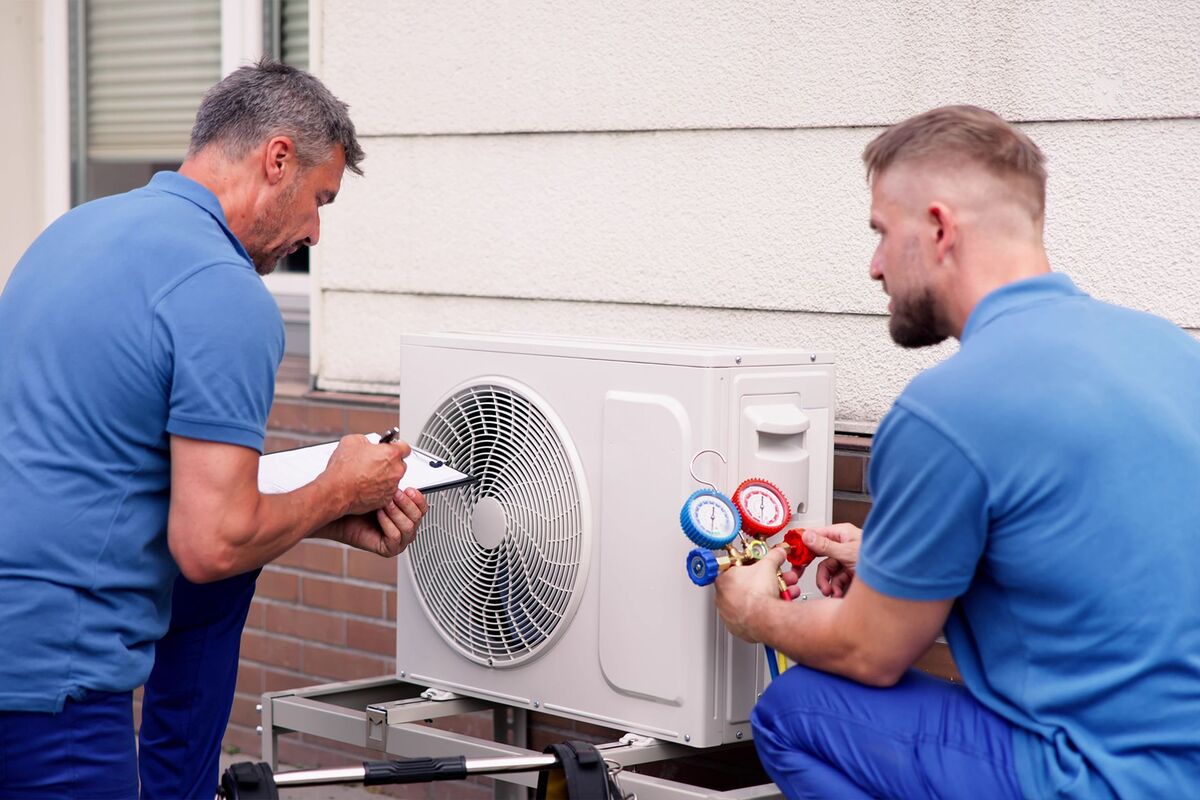
Modern homeowners are increasingly looking for flexible and energy-efficient ways to heat and cool individual rooms. Ductless mini-split systems have become a popular solution because they can provide targeted comfort without requiring traditional ductwork. In 2026, improvements in inverter compressors, smart controls, sensors, refrigerant technology, and predictive diagnostics are making ductless systems even more efficient and adaptable.
Unlike conventional central air conditioning, ductless systems deliver conditioned air directly into individual zones. This makes them useful for additions, older homes without existing ductwork, converted garages, home offices, and spaces where extending a duct network would be impractical.
As these systems become more technologically advanced, proper installation and maintenance are increasingly important for achieving reliable performance and controlling long-term operating costs.
Ductless mini-splits provide both flexibility and efficiency. A typical system consists of an outdoor unit connected to one or more indoor air-handling units. Each indoor unit can independently regulate the temperature within its designated area.
This zoning capability can reduce energy waste because homeowners do not have to condition every room equally. A frequently used living area can receive more cooling while an unoccupied room requires less.
Ductless systems can also eliminate energy losses associated with poorly insulated or leaking ductwork. This is particularly valuable in older properties where installing or repairing traditional ducts may be expensive.
One of the most important developments in ductless HVAC technology is the widespread use of variable-speed inverter compressors. Instead of repeatedly switching between full capacity and shutdown, inverter-driven equipment can adjust compressor speed according to the current cooling demand.
During mild weather, the system can operate at a lower capacity. When temperatures rise, the compressor can increase output to provide additional cooling.
This approach can improve temperature consistency, reduce energy consumption, and minimize the mechanical stress associated with frequent startup cycles.
For homeowners considering a new ductless system, inverter technology is therefore an important feature to evaluate.
Smart connectivity is another major trend in 2026. Many modern ductless systems can connect to mobile applications and smart-home platforms, allowing homeowners to control temperatures remotely.
Users can adjust individual zones, create schedules, monitor system status, and receive notifications through connected devices.
Some advanced systems can also use occupancy information and environmental data to optimize operation automatically. This can help reduce cooling in unused spaces while maintaining comfortable temperatures where occupants are present.
Remote access is particularly useful for vacation properties, rental units, and homeowners who want greater control over energy consumption.
Traditional HVAC maintenance often involves scheduled inspections, but connected systems are increasingly moving toward predictive maintenance. Sensors can monitor operating conditions such as temperature, compressor activity, electrical performance, and system runtime.
When unusual patterns appear, software may identify potential problems before they become major failures.
If ductless ac repair becomes necessary, historical operating information can provide useful diagnostic clues. HVAC professionals may be able to determine whether the system has experienced abnormal runtime, temperature fluctuations, or other performance changes.
Predictive diagnostics do not replace professional inspections, but they can make maintenance more proactive and potentially reduce unexpected downtime.
Ductless systems can experience many of the same performance issues found in other air conditioning equipment. Homeowners should pay attention to unusual sounds, weak airflow, inconsistent cooling, water leakage, unpleasant odors, excessive cycling, or unexplained increases in electricity consumption.
A system that struggles to maintain the selected temperature may have an airflow restriction, sensor problem, electrical issue, refrigerant-related concern, or another mechanical problem.
Ignoring these symptoms can allow a relatively minor issue to become more complicated. Professional evaluation is generally preferable when performance changes persist.
Modern ductless systems are also being designed with indoor air quality in mind. Advanced filtration, washable filters, humidity management, and air-cleaning technologies can contribute to a more comfortable indoor environment.
Because ductless systems use indoor air-handling units within occupied spaces, regular filter cleaning is especially important. A dirty filter can restrict airflow and reduce system performance.
Homeowners should follow the manufacturer's maintenance recommendations and keep indoor units unobstructed.
Refrigerant technology continues to evolve as manufacturers work toward systems with improved environmental performance and efficiency. Newer ductless equipment is being developed around refrigerants and system designs intended to meet changing regulatory and environmental requirements.
When replacing older equipment, homeowners should consider more than the purchase price. Refrigerant availability, efficiency ratings, installation requirements, serviceability, and expected operating costs can all influence the long-term value of a system.
Professional installation is essential because refrigerant handling, electrical connections, line-set installation, and system commissioning require appropriate expertise.
Multi-zone ductless systems are another important trend. A single outdoor unit can support several indoor units, allowing different rooms to have independent temperature settings.
This can be particularly useful for larger homes where occupants have different comfort preferences.
For example, a bedroom can be maintained at a different temperature from a home office or living room. Instead of cooling the entire property uniformly, the system responds to individual zone requirements.
This approach can improve comfort while potentially reducing unnecessary energy consumption.
Even the most advanced ductless equipment requires appropriate maintenance. Cleaning indoor filters, inspecting coils, checking electrical components, evaluating airflow, and verifying system performance can help maintain efficiency.
If ductless ac repair is required, homeowners should avoid attempting complex electrical or refrigerant-related work themselves. Qualified HVAC professionals can diagnose the system safely and determine whether repair, component replacement, or further maintenance is appropriate.
Professional service can also help identify underlying problems rather than simply addressing visible symptoms.
Ductless HVAC technology is moving toward greater efficiency, intelligence, flexibility, and connectivity. Inverter compressors, smart controls, predictive diagnostics, multi-zone systems, and evolving refrigerant technologies are giving homeowners more options for managing indoor comfort.
Throughout 2026 and beyond, these innovations are likely to make ductless systems increasingly attractive for both new construction and existing homes.
For homeowners, the best results come from combining efficient equipment with professional installation, routine maintenance, and timely attention to performance changes. With the right approach, modern ductless technology can provide targeted comfort, flexible temperature control, and efficient operation for years to come.

This post has been authored and published by one of our premium contributors, who are experts in their fields. They bring high-quality, well-researched content that adds significant value to our platform.










Your trusted source for technology news, AI updates, business insights, startup stories, cybersecurity, gadgets, and digital innovation.