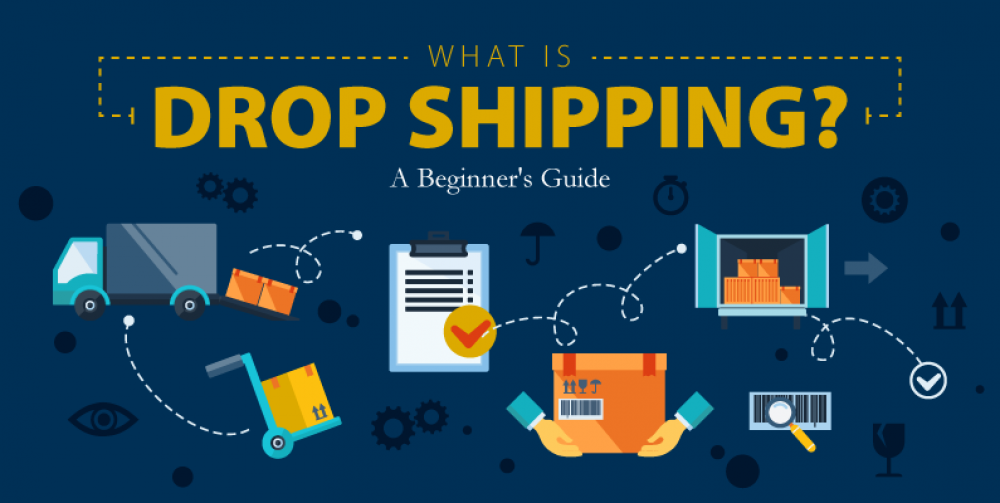
Dropshipping in 2026 is not dead but significantly transformed due to evolving technologies and changing customer expectations. Entrepreneurs are adapting to smarter tools and faster logistics systems worldwide.
The traditional model of listing random products and expecting profits has faded. Consumers now demand quality, speed, and brand trust, pushing sellers to refine strategies and focus on long term growth.
Market competition has increased, making it harder for beginners to succeed without proper planning. However, those using advanced tools and niche targeting are still building highly profitable and scalable businesses.
The industry has shifted from quick profit schemes to real ecommerce businesses. Dropshipping now requires branding, customer experience optimization, and data driven decisions rather than relying solely on viral trends.
The Role of AI in Modern Dropshipping Businesses
Artificial intelligence is reshaping dropshipping by automating product research, customer service, and marketing campaigns. Sellers can now make faster decisions based on real time data and predictive analytics tools.
AI tools help identify winning products by analyzing trends, demand patterns, and competitor activity. This reduces guesswork and allows entrepreneurs to focus on scaling rather than testing random items.
Customer support has improved with AI chatbots that handle inquiries instantly. This enhances user experience, reduces workload, and increases conversion rates by responding to potential buyers without delays.
Marketing automation powered by AI allows precise targeting of audiences. Personalized ads, email campaigns, and recommendations significantly improve engagement and sales compared to traditional manual marketing approaches used previously.
Faster Shipping and Its Impact on Customer Expectations
Shipping speed has become one of the most important factors in ecommerce success. Customers no longer tolerate long delivery times, which has forced dropshippers to rethink their fulfillment strategies carefully.
Warehousing solutions and local suppliers are becoming popular. Sellers now store products closer to their target markets, reducing delivery times and improving overall customer satisfaction significantly.
Partnerships with reliable logistics providers ensure faster and more consistent deliveries. This reduces refund requests and chargebacks, which were common issues in the earlier days of dropshipping.
Fast shipping also builds trust and encourages repeat purchases. When customers receive products quickly, they are more likely to recommend the store and become loyal buyers over time.
Why Traditional Dropshipping Methods Are Fading
Old dropshipping strategies relied heavily on low quality products and long shipping times. These practices led to poor customer experiences and damaged the reputation of many online stores globally.
Platforms have become stricter about seller quality and customer satisfaction. Businesses that fail to meet standards face penalties, making it essential to maintain professionalism and transparency in operations.
Consumers are more informed than ever and can easily compare products, reviews, and delivery options. This makes it difficult for sellers using outdated tactics to compete in the modern ecommerce landscape.
The focus has shifted from quick wins to building sustainable brands. Sellers must now prioritize product quality, reliable suppliers, and strong customer relationships to stay competitive in the market.
Building a Successful Dropshipping Brand in 2026
Branding has become essential for dropshipping success. Instead of selling generic products, businesses are creating unique identities that resonate with specific audiences and build long term trust.
Custom packaging, branded websites, and consistent messaging help differentiate stores from competitors. This approach transforms a simple dropshipping store into a recognizable ecommerce brand with loyal customers.
Content marketing and social proof play a major role in building credibility. Reviews, testimonials, and engaging content help convince potential buyers and increase conversion rates effectively.
Successful sellers focus on customer experience from start to finish. Easy navigation, clear communication, and fast support contribute to positive interactions that encourage repeat purchases and long term growth.
The Importance of Niche Selection and Product Quality
Choosing the right niche is more important than ever in 2026. Broad stores struggle to compete, while niche focused businesses can target specific audiences with tailored products and messaging.
High quality products reduce returns and improve customer satisfaction. Sellers are now prioritizing reliable suppliers and testing products before listing them in their stores to ensure consistent quality.
A well defined niche allows better marketing strategies. Understanding customer needs helps create targeted campaigns that resonate with the audience and drive higher engagement and conversions.
Product uniqueness also plays a key role in standing out. Exclusive or hard to find items give stores a competitive advantage and reduce direct competition from other sellers in the market.
Challenges Dropshippers Face in the Modern Era
Despite advancements, dropshipping still comes with challenges. Increased competition makes it harder to find untapped opportunities, requiring more research and creativity from entrepreneurs.
Rising advertising costs can impact profitability. Sellers must optimize campaigns and focus on organic marketing strategies to maintain healthy margins and sustainable business growth.
Managing suppliers and ensuring consistent quality can be difficult. Reliable partnerships are crucial to avoid delays, poor products, and negative customer experiences that harm brand reputation.
Adapting to changing trends and technologies is necessary. Entrepreneurs must continuously learn and update their strategies to stay relevant in a fast evolving ecommerce environment.
Future Outlook Is Dropshipping Dead or Evolving
Dropshipping is clearly evolving rather than dying. The business model continues to exist but requires smarter strategies, better tools, and a stronger focus on customer experience and branding.
AI and faster shipping are transforming the industry into a more professional and efficient ecosystem. Sellers who embrace these changes can build profitable and scalable businesses successfully.
The future favors those who treat dropshipping as a real business. Long term planning, investment in quality, and continuous improvement are key factors for sustained success in this space.
In conclusion, dropshipping in 2026 is not dead but more advanced than ever. Those willing to adapt and innovate can still achieve significant success in the modern ecommerce landscape.