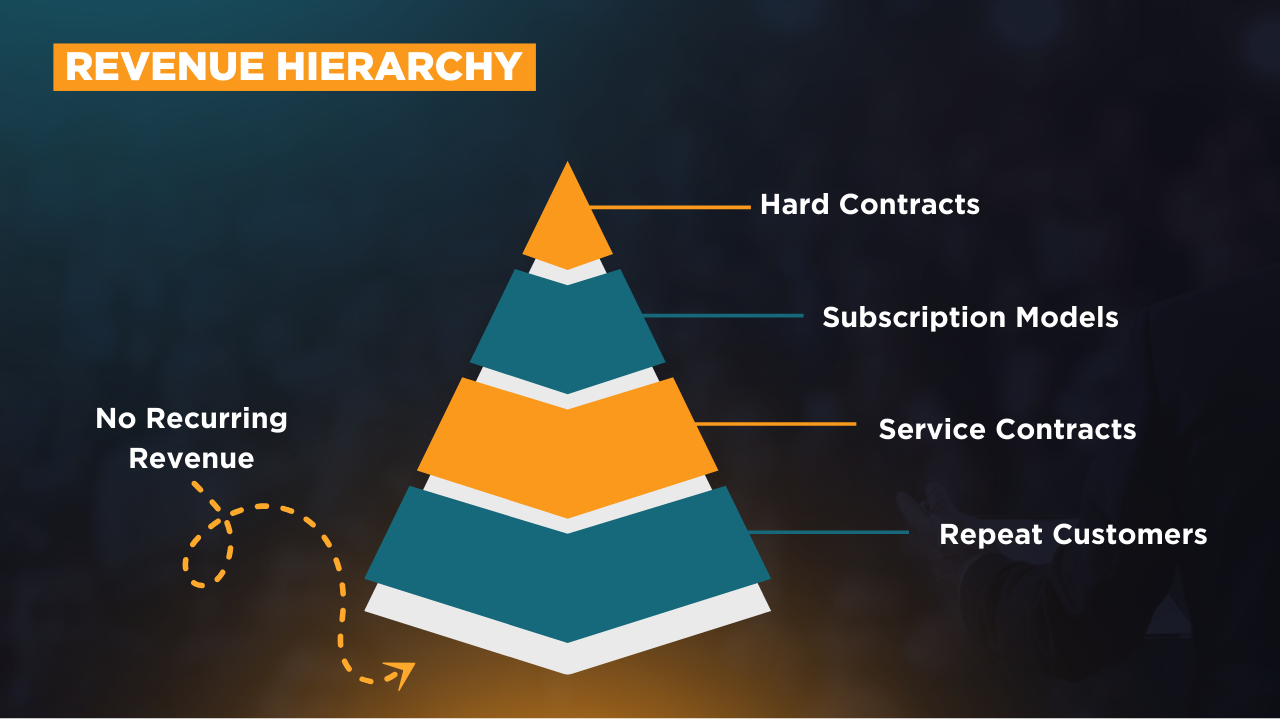
Subscription-based business models are systems where customers pay a recurring fee for access to products or services over a specified period. Companies gain predictable income, while customers enjoy convenience. Businesses can offer weekly, monthly, or yearly plans tailored to varying needs, creating flexibility for diverse audiences. This model suits both physical products, like meal kits, and digital services, like software or streaming platforms. Customer retention becomes central, as ongoing satisfaction ensures renewal, while marketing focuses on acquisition and engagement simultaneously. Subscription models allow companies to forecast revenue more accurately, helping operational and strategic planning.
The recurring nature ensures constant cash flow, reducing reliance on one-off sales and seasonal fluctuations. Many startups and established companies use this model to achieve financial stability. Technology, digital platforms, and automation make managing subscriptions simpler and more scalable. Analytics track usage, preferences, and churn rates, helping businesses fine-tune offerings and marketing. This model also encourages innovation, as companies must continuously provide value to maintain subscriptions. Loyalty programs, perks, and regular updates incentivize retention, creating a mutually beneficial system. Companies can expand services, bundle products, and personalize customer experiences.
Subscription models shift the relationship between companies and customers from transactional to continuous. Instead of focusing only on individual purchases, businesses nurture long-term connections. This builds brand trust and recognition while enhancing lifetime customer value. With regular interaction, companies gain better insight into behavior, preferences, and satisfaction. Customer feedback loops allow agile product development and service improvement. Predictable recurring revenue attracts investors seeking stability and growth potential. By emphasizing engagement and ongoing value, subscription models foster a sustainable ecosystem benefiting both businesses and consumers.
Why Recurring Income Is Transforming Businesses
Recurring income allows companies to stabilize cash flow and reduce financial uncertainty. Instead of relying on unpredictable one-time purchases, subscription models offer predictable revenue streams. This stability enables better budgeting, forecasting, and strategic investment. Businesses can plan expansions, marketing campaigns, or infrastructure upgrades with confidence. Investors often favor companies with consistent recurring revenue because it signals sustainable growth and operational efficiency. It reduces dependence on seasonal trends or economic fluctuations, making companies more resilient in challenging times.
Subscription models also improve customer lifetime value, which is often higher than traditional transactional models. Businesses can upsell, cross-sell, or introduce premium tiers without acquiring new customers constantly. The focus shifts from acquiring new clients to retaining existing ones through quality service and experience. Loyalty, satisfaction, and trust are prioritized over aggressive short-term sales. The recurring relationship allows brands to predict behavior, anticipate needs, and introduce relevant offerings. Businesses can reduce marketing costs over time by focusing on retention instead of acquisition.
Another transformation occurs in business scalability. Companies can expand products or services with minimal incremental costs once the subscription framework exists. Digital services, software, and content platforms benefit significantly, as one product can serve thousands of customers. Subscription models incentivize continuous innovation, pushing companies to update offerings regularly. Customer engagement and feedback inform product improvements, ensuring relevance and satisfaction. Businesses adopting recurring income models can diversify revenue streams, introduce add-ons, and bundle services, enhancing profitability. The ongoing relationship becomes a cornerstone of long-term sustainability and competitive advantage.
Popular Industries Leveraging Subscription Models
Several industries have successfully implemented subscription-based models to enhance growth. Digital streaming platforms, including video, music, and gaming, use subscriptions to monetize content effectively. Consumers pay monthly for unlimited access to movies, shows, or songs, fostering loyalty and predictable revenue. Software companies also use Software-as-a-Service (SaaS) models, allowing businesses to access applications via subscription instead of one-time licensing. This ensures consistent updates, security, and support while generating continuous income.
Physical product industries have adapted subscription models creatively. Meal kit delivery, subscription boxes, grooming products, and niche consumer goods are now offered as recurring services. Customers enjoy convenience, variety, and discovery, while companies enjoy predictable revenue and long-term engagement. Health and fitness industries also use subscriptions for gym memberships, wellness programs, or online coaching. Education platforms provide recurring access to courses or learning resources, maximizing value for both students and instructors. Even media and publishing industries leverage subscriptions to maintain readership and monetize content.
Businesses across industries benefit from data-driven insights subscriptions provide. Regular interaction reveals customer preferences, usage patterns, and engagement levels. Companies can segment audiences, customize offerings, and predict trends, improving both marketing and product strategies. Personalization fosters stronger customer connections and drives retention. Subscription models create opportunities for bundling, loyalty programs, and premium tiers. Brands can continuously improve services, generate insights, and expand offerings. Industries adopting subscriptions experience higher profitability, stronger market positioning, and more resilient revenue streams compared to traditional transactional models.
Challenges of Subscription-Based Models
While subscription models offer numerous advantages, they come with challenges. High churn rates can undermine recurring revenue, especially in competitive markets. Businesses must consistently deliver value to prevent cancellations. Poor customer experience, lack of engagement, or outdated offerings can lead to dissatisfaction and attrition. Marketing alone is not enough; retention strategies must be integral to operations. Subscription businesses invest in onboarding, customer support, and engagement tools to maintain loyalty. Tracking metrics like churn, lifetime value, and renewal rates is essential for sustainable growth.
Another challenge is pricing strategy. Companies must balance affordability with profitability while offering clear value. Overpricing can deter customers, while underpricing may undermine revenue potential. Businesses often test tiers, trial periods, or flexible plans to find optimal pricing. Transparency in billing and service terms also impacts customer trust. Miscommunication, hidden fees, or confusing policies can harm retention. Companies must combine data analysis, customer feedback, and market research to design effective subscription offerings.
Operationally, subscriptions require robust infrastructure. Billing, payment processing, customer management, and content delivery must scale efficiently. Software tools, automation, and secure systems are critical for smooth operations. Companies must adapt quickly to evolving technology, regulations, and market demands. Innovation is crucial to sustain relevance and engagement over time. Despite challenges, successful subscription businesses achieve remarkable growth, stability, and customer loyalty, demonstrating why this model continues to dominate global markets.
Strategies to Maximize Recurring Revenue
To maximize recurring revenue, businesses should focus on customer satisfaction and retention. Delivering consistent value through updates, exclusive content, or premium features encourages long-term loyalty. Engagement campaigns, personalized communication, and loyalty incentives strengthen relationships. Regular feedback collection allows companies to adapt offerings and prevent churn. Subscription analytics help identify at-risk customers and predict renewal behavior. A proactive approach to satisfaction ensures higher retention and stronger lifetime value.
Upselling and cross-selling opportunities also increase recurring income. Introducing higher-tier plans, add-ons, or complementary products encourages customers to spend more without acquiring new clients. Personalized recommendations based on usage patterns improve conversion rates. Bundling services or offering family/group plans provides flexibility and increases adoption. Promotions and referral programs drive both engagement and acquisition, boosting overall subscription revenue. Companies combining retention-focused strategies with smart upselling achieve scalable growth.
Transparency, flexible options, and seamless experience are essential. Easy cancellations, trial periods, and clear communication build trust, which reduces churn. Automation and AI-driven insights allow targeted interventions to enhance value and satisfaction. Companies must continuously innovate and adapt to changing customer needs. Effective subscription strategies integrate customer experience, marketing, product development, and analytics into a cohesive approach. Businesses executing these strategies achieve sustainable recurring income, financial stability, and competitive advantage.